Tools We Use
Here is a quick recap of the various scientific tools that are the backbones of much of our rigorous research work.
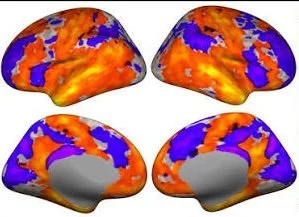
NEUROIMAGING: FMRI
We use fMRI to understand the neural mechanisms that support different forms of memory retrieval and how the memory system is implicated in tasks like planning, empathy to problem solving.

eye tracking
We use eye tracking to capture how information is encoded and retrieved. With this tool, we can investigate how different states, like emotion or stress, influence memory functioning.
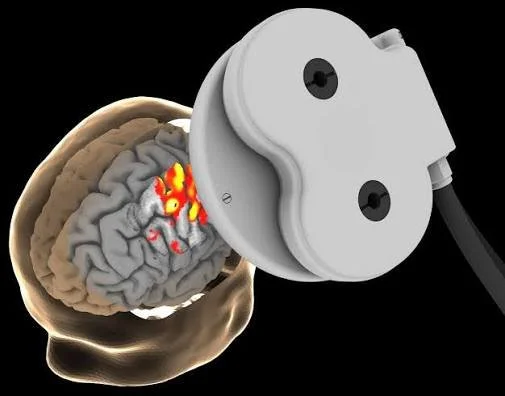
TemporaRY BRAIN LESIONS
We use brain stimulation techniques like TMS to alter brain activity. This allows us to determine how enhancing and inhibiting certain brain processes affects memory performance and related tasks.

NATURALISTIC MEMORY TESTING
For many of our studies, we use behavioural testing to learn more about the mechanisms of memory and test new theories and models. Our primary method is to use naturalistic stimuli that mimic real world events, such as movies and autobiographical memories, to understand how we remember.

PATIENT POPULATIONS
We test individuals with lesions to particular areas of their brain to get a better understanding of how these brain regions help us remember. We also hope this work will help direct future therapeutic decisions for the tested populations.

INDIVIDUAL DIFFERENCES
Although it is well known that people recall memories in different ways, the exact mechanisms that underly these differences are not known. To discover these mechanisms, we test people’s range in ability to recover the past. We also test expert populations, such as people who excel in imagery (e.g., visual artists) to see how these processes affect memory.


